
When To Replace A Water Heater Instead Of Repairing It
The five things we look at before telling a homeowner to repair or replace a water heater, and the one sign that means replace it today.
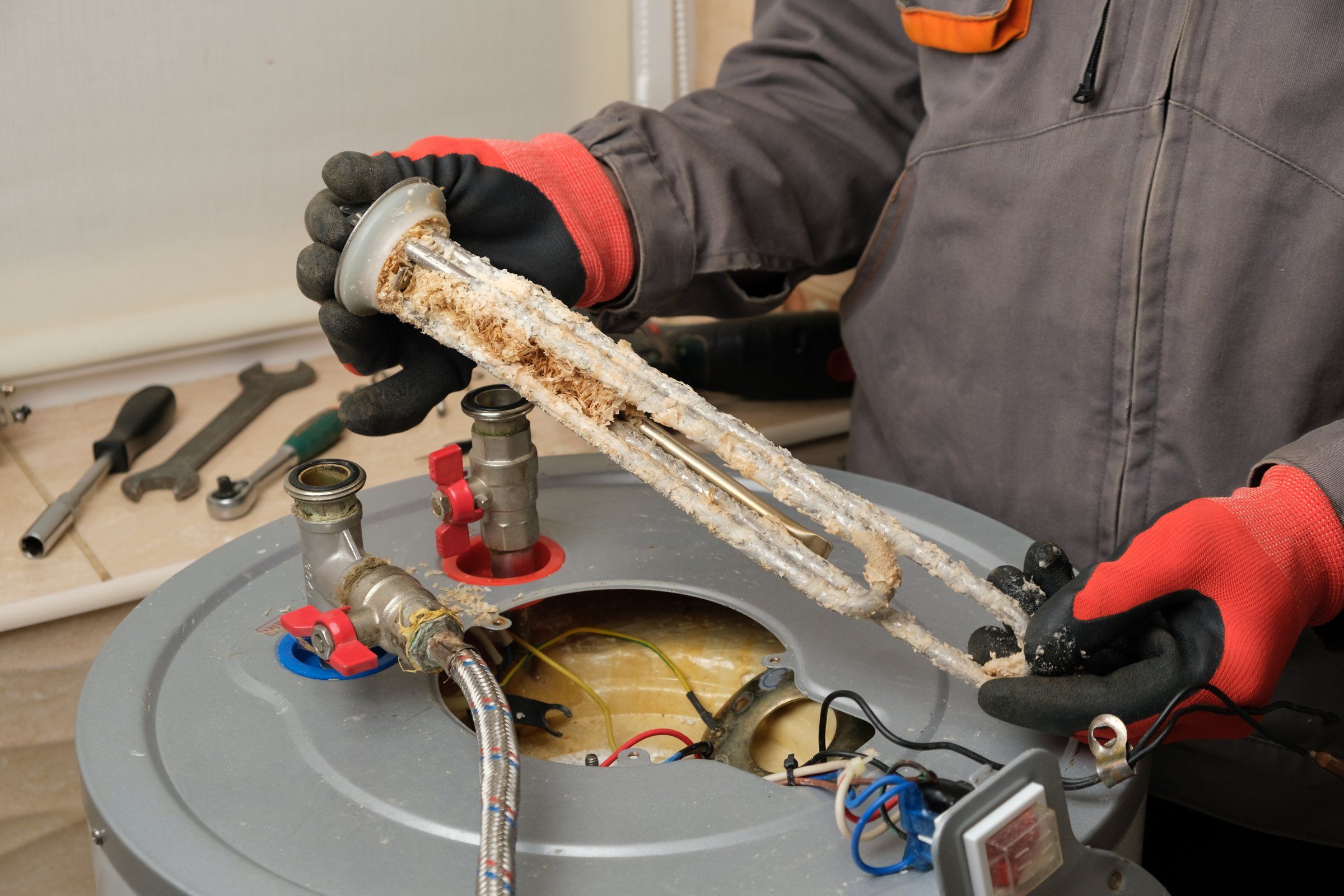
A water heater that is acting up is one of the few plumbing problems where the honest answer is sometimes “repair it” and sometimes “replace it,” and the difference is worth a few hundred dollars to you. Here is what we look at.
1. What Is Actually Leaking
This is the first question, because it decides everything else. Water on the floor near a heater comes from one of several places, and most of them are repairs:
- The drain valve at the bottom. Often just needs replacing.
- The temperature and pressure relief line. If it is discharging, something is wrong, but the tank is usually fine.
- A fitting or union above the heater, dripping down the side and pooling where it looks like a tank leak.
- Condensation, especially in summer on a cold inlet in a humid basement.
- The tank itself. This one is not a repair.
A tank that has rusted through gets replaced. There is no patch for a steel tank that has lost its glass lining, and a slow seep is a warning, not a problem you have time to think about.
2. How Old It Is
Age alone does not condemn a heater, but it changes the math. On a unit past twelve years or so, spending real money on a part is usually throwing good money after bad, because the next failure is not far off and the tank is the part most likely to go.
If you do not know the age, the serial number on the data plate usually encodes the manufacture date. We can read it when we are there.
3. What The Water Has Done To It
Central Illinois water leaves scale behind. Inside a tank heater that means a layer of mineral at the bottom, which insulates the burner from the water, makes the unit work harder and shortens its life. The classic symptom is a rumbling or popping sound as the burner fires.
The element in the photo above came out of a heater that had never been drained. Everything that white layer is doing, it is doing instead of heating water.
Draining a heater once a year takes twenty minutes and buys years. If yours has never been drained and it is still young, that is a maintenance visit, not a replacement.
4. Whether It Is Sized Right
Sometimes nothing is broken. The heater simply cannot keep up, because the household grew, a bathroom was added, or somebody installed a soaking tub that holds more hot water than the tank does.
Replacing a correctly working heater with a bigger one is a legitimate reason to spend the money. Repairing it is not going to fix running out of hot water.
5. What The Repair Costs Against A New One
The rough rule we use: when a repair is heading toward half the cost of a new heater installed, and the unit is past the middle of its life, replace it. Below that, repair it and drain it going forward.
The One Sign That Means Today
If the tank is leaking from the tank, shut off the water supply to the heater, turn off the gas or the breaker, and call someone. A weeping tank can fail fully with no further warning, and the second failure happens at line pressure.
Everything else on this list can wait until business hours.
What We Need To Know When You Call
To tell you anything useful on the phone, it helps if you can look at the heater and tell us:
- Gas or electric, and roughly how old
- Tank size, from the data plate
- What it is doing: no hot water, not enough hot water, noise, or water on the floor
- Where the water is coming from, if you can see it
With that, we can usually tell you on the phone whether you are looking at a part or a new heater, and we can come with the right one on the truck.
Questions We Get Asked
How long does a water heater last?
A conventional tank heater that has been drained periodically often runs 10 to 15 years. Hard water shortens that. A tankless unit, maintained and descaled, usually lasts longer, which is part of why people choose one.
Is water on the floor always the tank?
No. Water around the base can come from the drain valve, the T and P relief line, condensation on a cold inlet, or a fitting above the heater dripping down. Those are all repairs. A tank that has rusted through is not, and that is why it is worth finding out which one you have before buying anything.
Should I switch to tankless when I replace it?
Sometimes. It depends on your gas supply or electrical capacity, where the unit can vent and how much hot water you use at once. It is a real conversation, not a default answer, and the install is more involved than swapping a tank.